There is an old touring adage: lay out all the clothes and gear you think you need on your garage floor, then pack exactly half the clothes and twice the travel budget. It sounds like an exaggeration until you are wrestling a 40-kilo tail-pack up the stairs of an Alpine mountain inn after eight hours in driving rain.
Hard Panniers Versus Soft Adventure Bags
The debate between aluminium side cases and rugged soft roll-bags is eternal, and both have distinct operational advantages depending on your terrain.
Aluminium or plastic hard cases provide unmatched security when you leave your bike parked outside a café or scenic viewpoint. You lock the latches, slip the key into your pocket, and stroll away with peace of mind. They also keep your kit pristine and act as handy makeshift stools during roadside coffee breaks.
However, hard panniers have rigid boundaries that can bite your legs. If you need to dab your foot down on a loose gravel hairpin, a heavy aluminium box catching the back of your calf can lead to serious injury. Soft luggage, on the other hand, yields upon impact and saves weight. The trade-off is vulnerability to slashing and the necessity of robust inner dry-sacks, because continuous highway rain under 100 km/h wind pressure will eventually penetrate stitched seams.
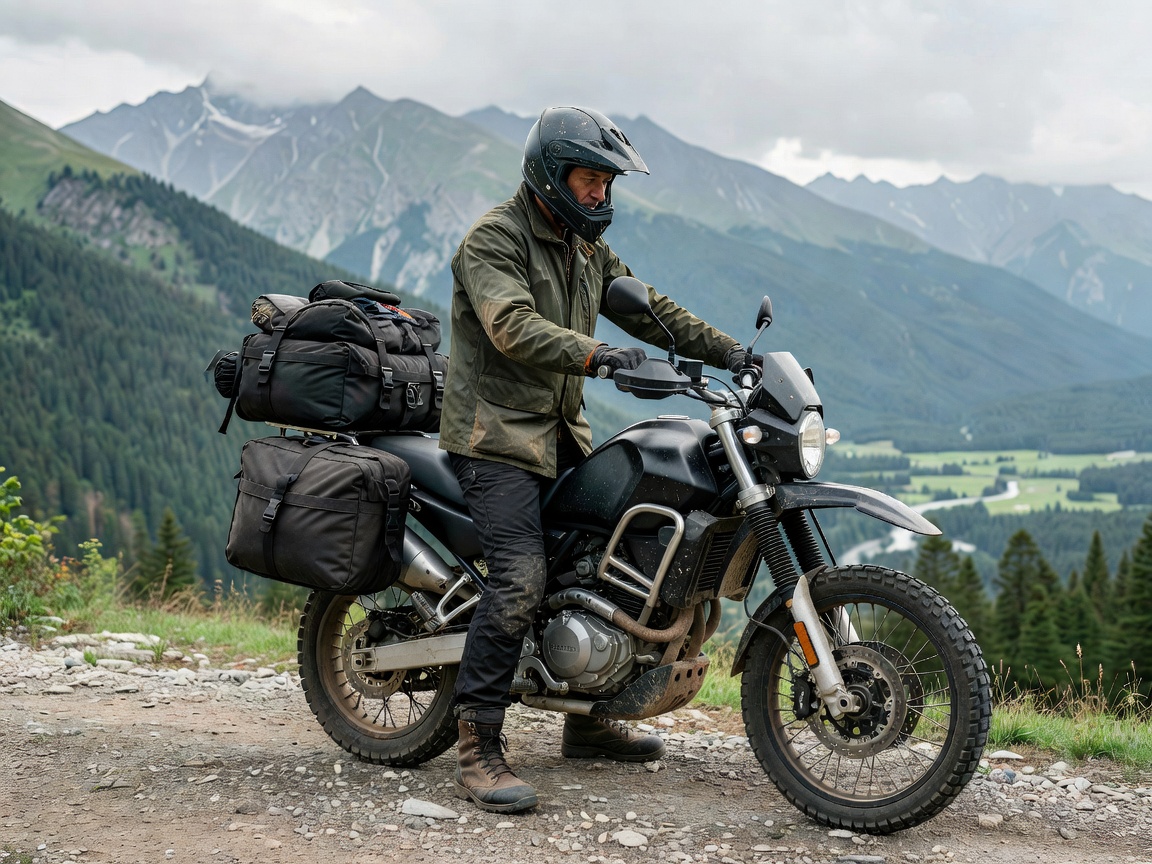
Low, Centred & Symmetric
Heavy items—tools, tyre inflators, chain lube, and spare liquids—belong at the absolute bottom of side panniers, as close to the frame axle line as possible. Keep your top-box light to prevent front-end wobbles and vagueness.
The Perils of the Overloaded Top Box
The top box is the most abused piece of kit on touring bikes. Because it is positioned at waist height and easy to open, riders naturally cram it full of heavy chargers, water bottles, and spare shoes.
Placing twenty kilos on a rear luggage rack extends your center of gravity well behind the rear axle. This lightens the front wheel, induces high-speed steering wobble (especially when passing freight trucks on the motorway), and makes low-speed U-turns downright terrifying. Use your top box for lightweight bulk: rain jackets, first-aid kits, and an extra pair of dry gloves.
Sending Luggage Ahead: Hotel-to-Hotel Logistics
In recent years, more experienced riders have embraced a smarter touring model: sending non-riding baggage ahead using continental courier networks or specialized regional transport services.
Think about how this changes your day. Instead of riding an overburdened mule across technical mountain hairpins, your motorcycle handles like the nimble precision instrument it was engineered to be. You carry only essential safety gear, daily layers, and emergency tools on the bike. Your civilian clothes, evening footwear, and dress attire are shipped directly to your major rest stops every three or four days.
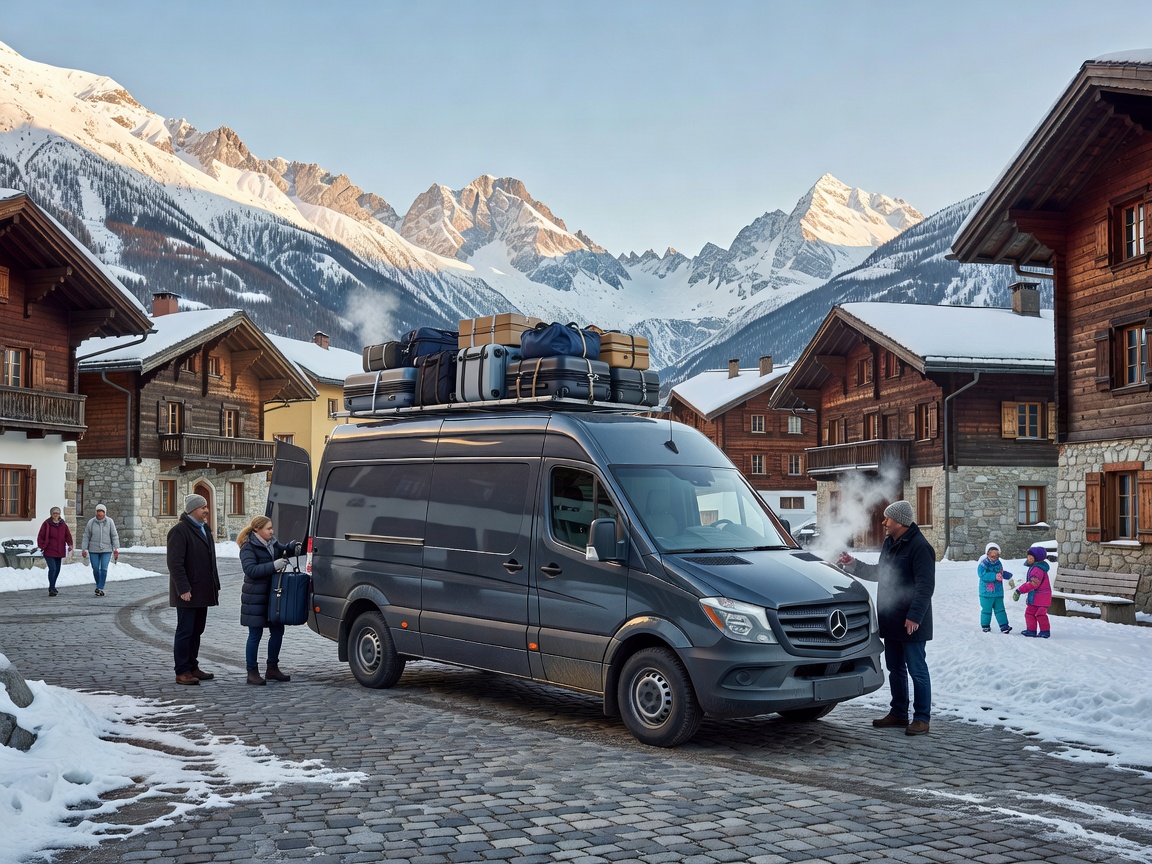
Carrying vs. Forwarding Ahead
Carrying everything yourself gives you absolute spontaneous freedom to change hotels on a whim. Forwarding bags requires booking your hub hotels in advance, but it gives you back pure handling dynamics and drastically reduces rider physical fatigue.
Cross-Border Luggage Checks and Documentation
If you arrange for personal luggage to be transported separately across borders, especially when transiting in and out of non-EU jurisdictions like Switzerland, Norway, or the UK, customs declarations come into play.
Baggage transported on commercial vehicles can be subject to standard freight inspections. Ensure bags are clearly labelled with your full passport name, contact telephone number, and your confirmed accommodation reservation confirmation. Never pack customs-restricted items, unchecked electronic batteries, or excess duty goods in unaccompanied baggage.
Organising for Daily Travel Flow
Packing isn't just about fitting items inside cases; it's about sequence. Pack your bike so that you never have to unpack your evening wash kit just to grab your wet-weather oversuit when a sudden downpour strikes on an exposed ridge.
Keep high-frequency items in your tank bag: toll cash, border documents, visor cleaning spray, microfibre cloth, and kickstand puck for soft tarmac. If an item doesn't serve a distinct functional purpose on the road, leave it on the garage shelf.