Let's have an honest talk about mileage. When you sit in your living room clicking pins across an online map, linking three major mountain ranges in five days looks totally feasible. Then you arrive on the ground, meet a convoy of tractors on a single-lane Pyrenean pass, catch a midday drizzle at 2,000 metres elevation, and realize that your planned seven-hour day is actually an eleven-hour test of mental endurance.
Scenic Pacing Versus Direct Corridors
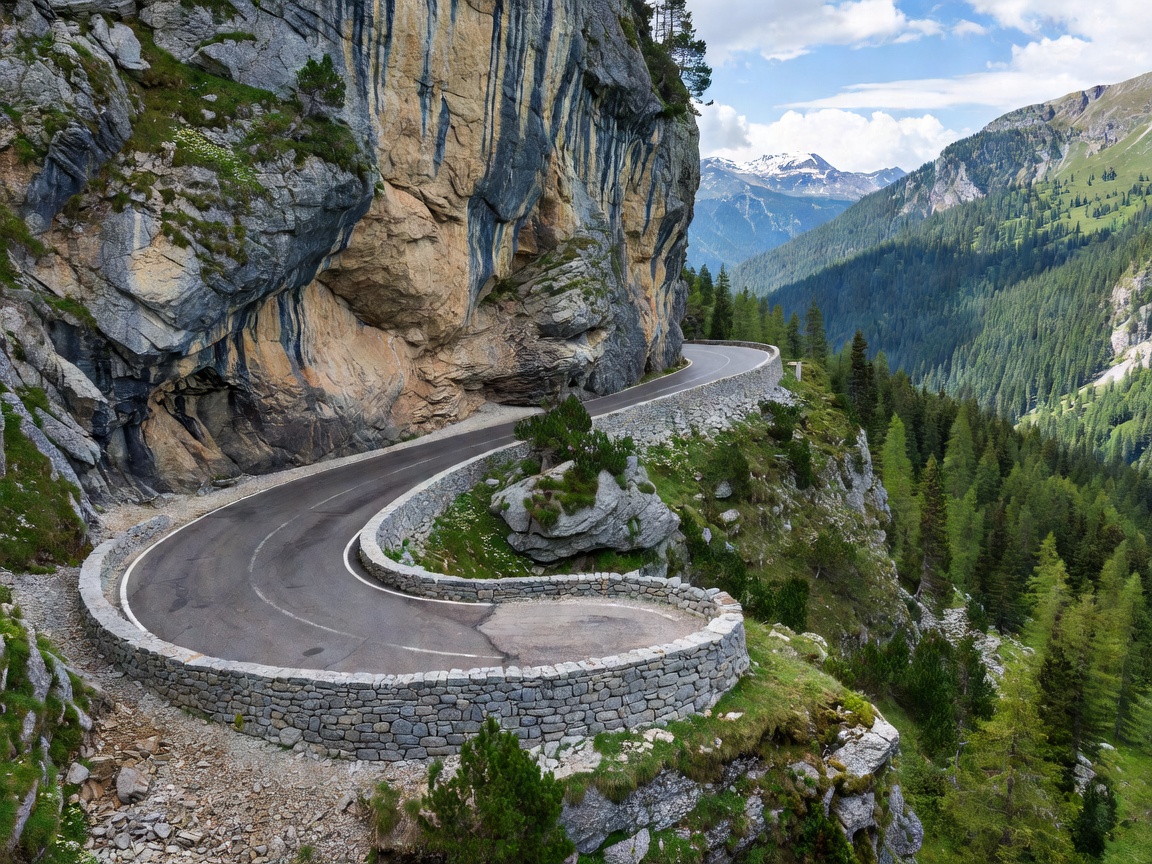
The secret to an unforgettable tour across Europe isn't stringing together every famous twisty pass you have seen on social media. It lies in pacing. Technical mountain roads, whether in the Dolomites, the Alps, or the Picos de Europa, demand tremendous physical effort. Counter-steering through three hundred tight hairpins while watching for oncoming tour coaches taxes your wrists, eyes, and clutch hand far more than open sweeping highway.
We strongly recommend dividing your days into alternating rhythms. Dedicate one day to intense, high-altitude pass riding, followed by a day of relaxed rolling through secondary countryside roads and river valleys. direct toll motorways have their place—specifically when you need to bypass industrial metro areas quickly to preserve daylight for the sweeping foothills.
Mountain Passes & Changing Conditions
Valley temperatures can hover at twenty-four degrees Celsius while the summit col sits near freezing in mist. Always build a 30-minute buffer for altitude stops, layer changes, and descending behind slow-moving commercial traffic.
Coastal Sweeps and Rural Backroads
Coastal touring along the Mediterranean, the Adriatic, or the rugged Atlantic rim offers spectacular vistas, but it presents unique challenges. Coastal roads frequently run through congested fishing settlements, beach resort choke points, and surface patches coated in slippery marine humidity and dust.
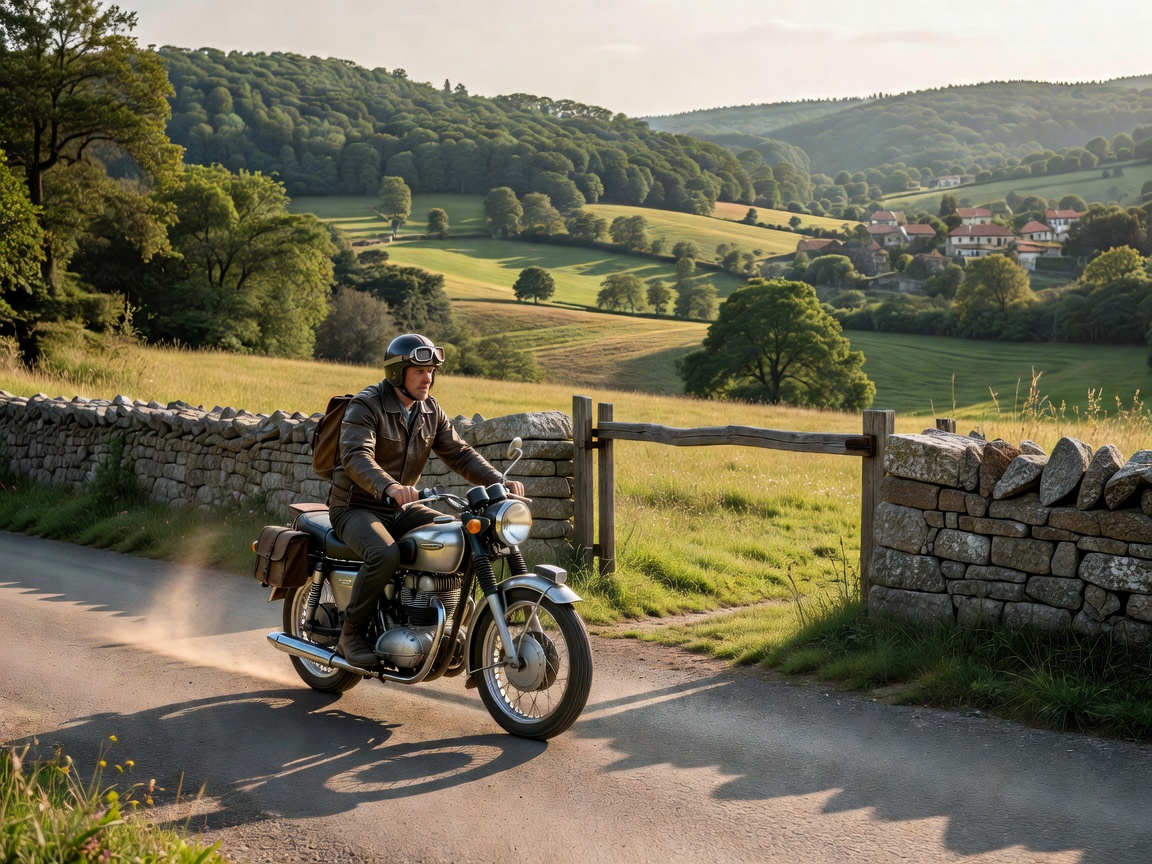
Rural countryside roads often provide the most pure motorcycling pleasure. Wide-radius bends, low vehicle density, and modest speed limits let you establish an easy, flowing cadence. However, keep a sharp eye out for loose gravel, agricultural run-off on blind corners, and wandering livestock in unfenced pastures.
Fuel Planning, Rest Stops & Range Anxiety
In high-altitude areas, fuel efficiency shifts dramatically. Gunning up a steep ascent consumes petrol at an accelerated rate, and mountain fuel stations frequently operate on unattended credit card automated pumps that may reject certain overseas debit cards.
A solid rule of thumb: never let your fuel gauge slip below one-third capacity when entering a mountain chain or late in the afternoon in rural regions where stations close early. Combine fuel stops with hydration and a stretch. Staying hydrated fights rider fatigue far better than another sugary energy drink.
Borders, Vignettes & Documentation
While internal Schengen borders generally flow freely, motorway vignettes in countries like Switzerland, Austria, and Slovenia must be sorted beforehand. Always keep vehicle registration and insurance papers easily reachable without unpacking your panniers.
Navigation & Offline Redundancy
Relying solely on live mobile smartphone navigation in deep limestone gorges is a recipe for frustration. Granite canyons and thick forest canopies routinely block cellular signals. Always carry offline vector map data on your dedicated motorcycle GPS unit or phone, and back it up with a folded 1:200,000 regional paper map stored in your tank bag clear pocket.
If roadworks or an unannounced seasonal closure blocks a summit pass, a physical map allows you to quickly trace the next ridgeline or valley detour without getting lost down blind dead-end logging tracks.
Seasonal Route Considerations
High alpine passes often do not clear their winter snowpack until late May or even mid-June, and autumn storms can bring black ice as early as late September. Planning your route around sensible seasonal windows saves you from facing sudden turnarounds. When in doubt, build a primary mountain route and a low-elevation bad-weather alternative into your navigation device before rolling off.