Ask any seasoned tourer who has had to nurse an aching back or battle shivering hypothermia on an Italian pass, and they will tell you the same thing: motorcycle readiness is only fifty percent of the equation. The rest is rider preparation. A pristine motorcycle won't save you if you are mentally exhausted, dehydrated, and poorly equipped for sudden weather reversals.
Understanding and Managing Rider Fatigue
Riding a motorcycle for eight consecutive hours places immense demands on your central nervous system. You process thousand of sensory inputs every minute: surface grip changes, crosswinds buffeting your helmet, vehicle blind spots, and shifting gear ratios.
Cumulative fatigue sneaks up on you quietly. On day three or four of a tour, reaction times slow down, and your apex lines start getting ragged. The best antidote is proactive discipline. Stop every 90 to 120 minutes, take your helmet off to let your ears breathe, drink water, and eat light meals. Heavy lunches packed with carbohydrates cause midday drowsiness that makes mountain riding dangerous.
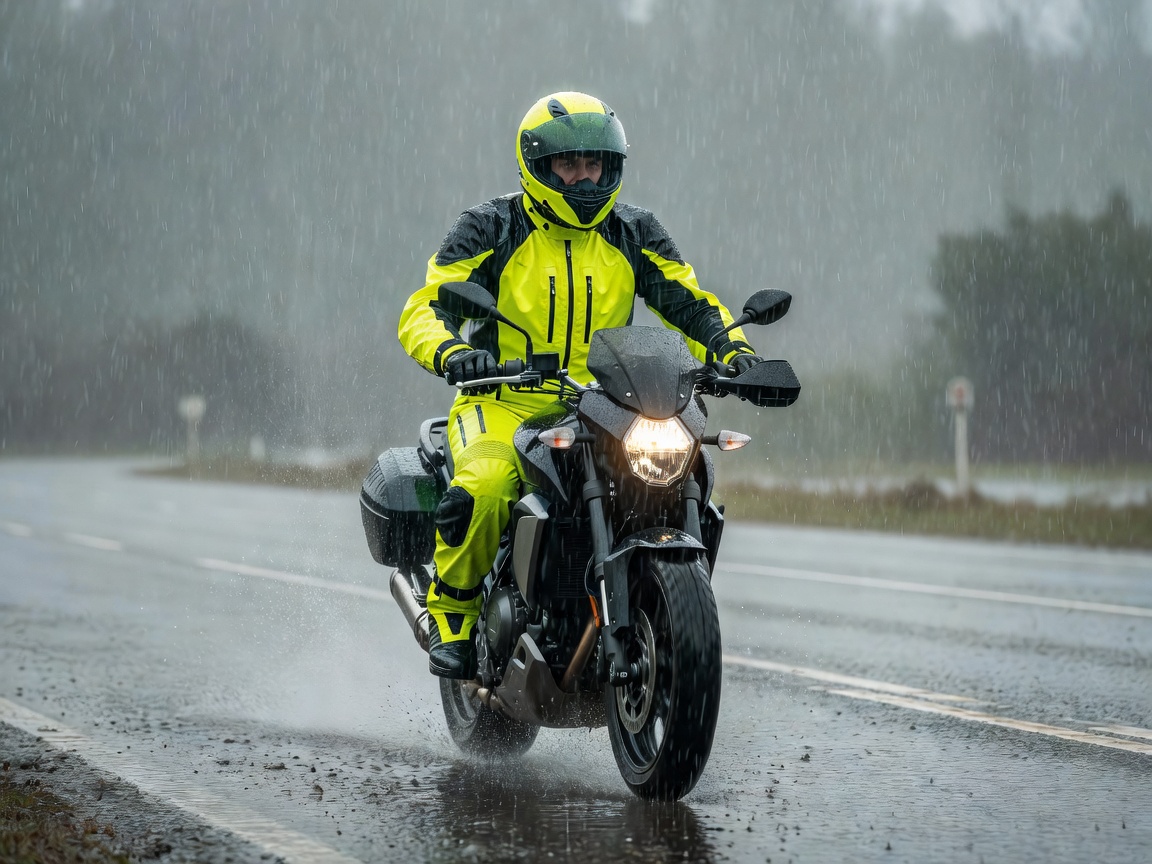
Laminated Shells vs. Drop Liners
Outer laminated waterproof membranes stop water right at the exterior fabric, preventing the heavy, freezing soak-through typical of cheaper drop-liner jackets. Staying warm and dry is essential to keeping mental acuity sharp.
Layering for Multi-Climate Europe
Within a single day of European touring, you can roll across a sun-baked Mediterranean plain at thirty-two degrees, climb through a dense pine forest at fifteen degrees, and cross an exposed col swept by freezing mist.
A modular layering system is superior to bulky insulated jackets. Use high-wicking merino wool or synthetic base layers to keep sweat off your skin, add a thin windproof mid-layer fleece for insulation, and seal it with a durable outer touring shell. Heated base vests that plug into your motorcycle's battery can turn an otherwise miserable cold front into a comfortable cruise without restricting arm movement.
Essential Documentation & Border Redundancy
Keep your vital travel documentation organized in a waterproof sleeve tucked into an easily accessible pocket of your jacket or tank bag.
Ensure you carry your physical driving licence, an International Driving Permit (IDP) if required in your destination countries, the original vehicle registration certificate (V5C or national equivalent), and your valid insurance certificate with cross-border territorial validity explicitly stated. Photograph every document and store offline encrypted digital copies on your smartphone and in a cloud folder accessible by a trusted contact back home.
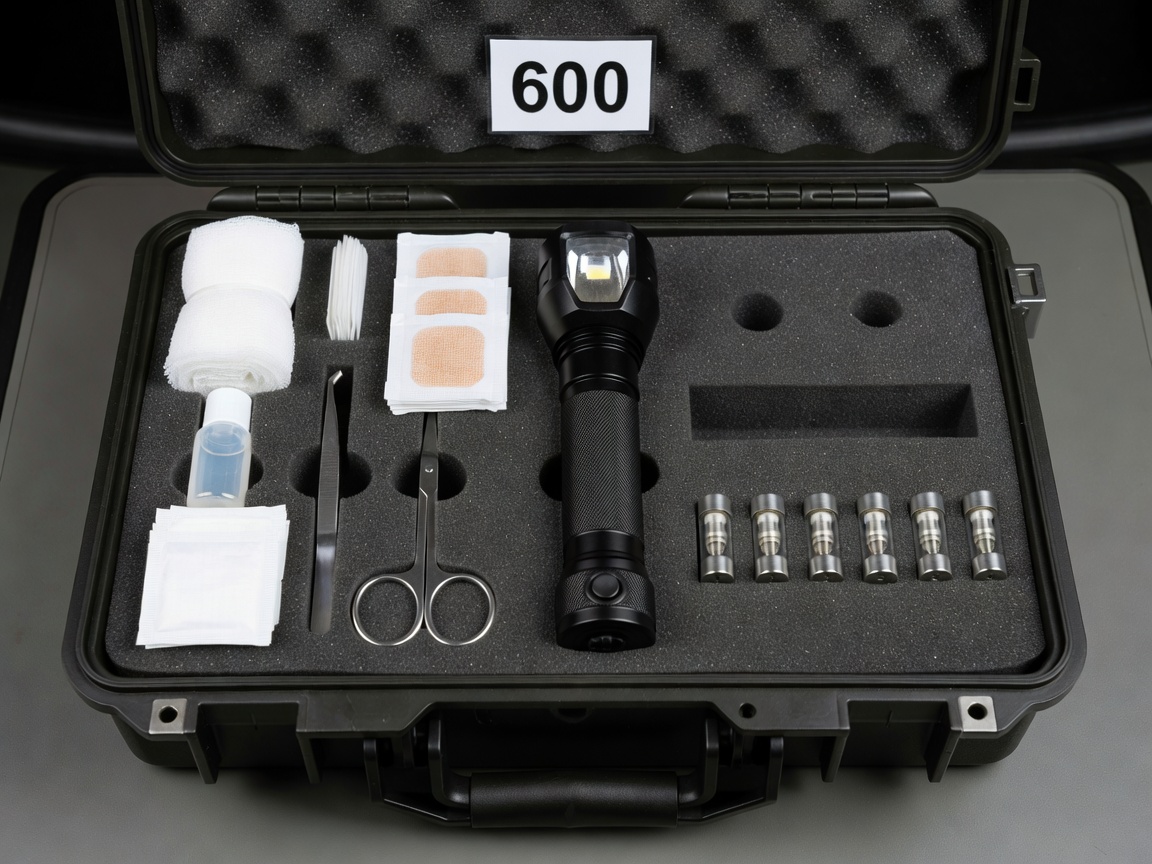
Emergency Planning & Breakdown Recovery
Confirm your roadside breakdown policy explicitly includes European motorcycle repatriation. Transporting an immobilised motorcycle across international borders on commercial recovery trailers can cost thousands if not covered.
Navigation Redundancy and Power Strategy
Modern tourers rely heavily on electronics for navigation, hotel bookings, and communication. However, constant vibration and rainwater can damage phone charging ports, and extreme summer sun can trigger phone overheating and thermal shutdowns.
Hardwire a dedicated waterproof motorcycle navigation unit directly to an ignition-switched feed on your bike. Carry a portable 10,000mAh battery power bank in your tank bag as a backup charging reservoir, and keep physical paper overview maps for quick orientation when digital displays fail.
Pacing the Return Journey
A common touring mistake is allocating all your mental energy to the outbound journey, leaving the return leg as a dreaded, frantic dash across 1,000 kilometres of monotonous highway.
Plan your return with care. Break up the homeward leg with interesting intermediate stops or a scenic regional detour. Respect your physical limits, maintain your following distance on high-speed transit highways, and arrive home with good memories instead of frayed nerves.